Reflecting on Care
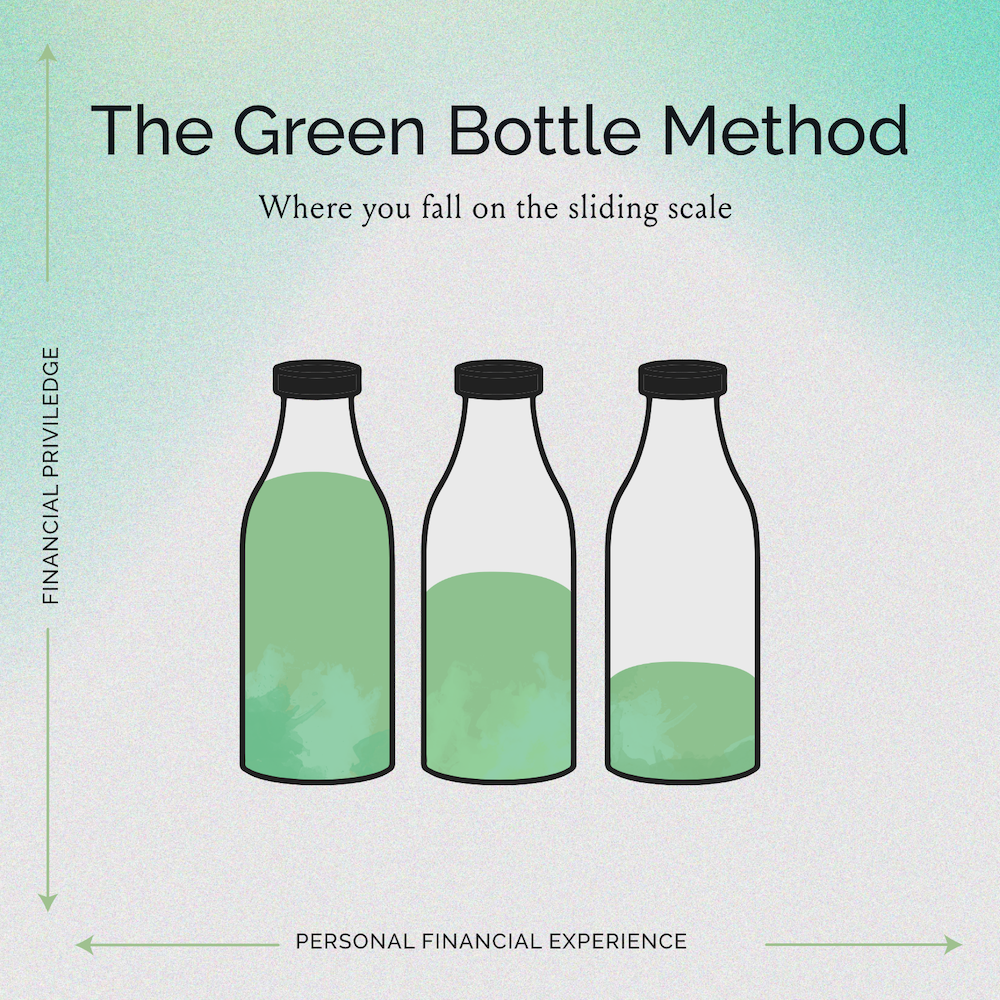
Every session I hold feels like an opportunity to practice care that is generous, sustaining, and accessible. This is true whether I’m supporting someone through birth, guiding prenatal or postpartum movement, or offering one-on-one wellness support. I’m inspired by the Green Bottle Method, created by Alexis J. Cunningfolk. It provides a framework for thinking about how we engage with care, resources, and each other.
Sacrifice and hardship
The method asks us to notice the difference between sacrifice and hardship. Sacrifice happens when receiving care is possible, but it requires thoughtful choices, maybe postponing a purchase, skipping a treat, or reorganizing priorities. It’s about choosing what matters most and making space for it.
Hardship exists when accessing care would make it difficult to meet essential needs like housing, food, healthcare, or transportation. Recognizing hardship helps ensure support reaches those who need it most.
Tiered Thinking
The Green Bottle Method also introduces tiered thinking, which helps balance access, sustainability, and equity. Tiers invite thoughtful reflection on where someone’s resources fall and how they can engage in the system in a way that honors both themselves and the community:
Tier 3: Full Cost
This tier represents the full value of a service. It’s for those with financial stability, savings, or access to support, who can afford discretionary spending without impacting essential needs. Contributing at this level helps sustain care and allows lower-cost options to remain available for others.
Tier 2: Moderate Cost
This tier applies to people who would find the full cost meaningful but manageable with some planning or adjustments. It may include those managing debt, saving, or thoughtfully prioritizing resources. Choosing this tier allows someone to access care while keeping space for clients facing greater financial constraints.
Tier 1: Lower Cost
This tier is intended for individuals experiencing financial hardship, where paying full cost could threaten essentials like housing, food, childcare, or healthcare. It ensures that access is maintained for those who need it most, honoring the principle that care should not be restricted by economic barriers.
For me, this method is not just a pricing strategy. It is a reminder that care is shared work. When those who can contribute fully do so, it creates space for others to receive support without compromise.
Equity Beyond Finances
Equity extends beyond money. Many communities, especially queer, trans, and BIPOC folks, face systemic barriers in healthcare, wellness, and fitness. Not every client I work with comes from these communities, but I strive to create spaces that are affirming, inclusive, and safe for everyone. Sliding scale options, flexible scheduling, and intentional care are part of that effort.
Bringing It Into My Work
Reflecting on the Green Bottle Method shapes how I structure sessions and offerings. It allows me to align my values with action. I can honor dignity, foster inclusivity, and nurture a sense of shared responsibility.
Care is not zero-sum. When approached thoughtfully, with generosity and awareness, it flows more freely. My hope is that these spaces leave clients feeling supported, empowered, and affirmed, no matter their financial or social circumstances..


